

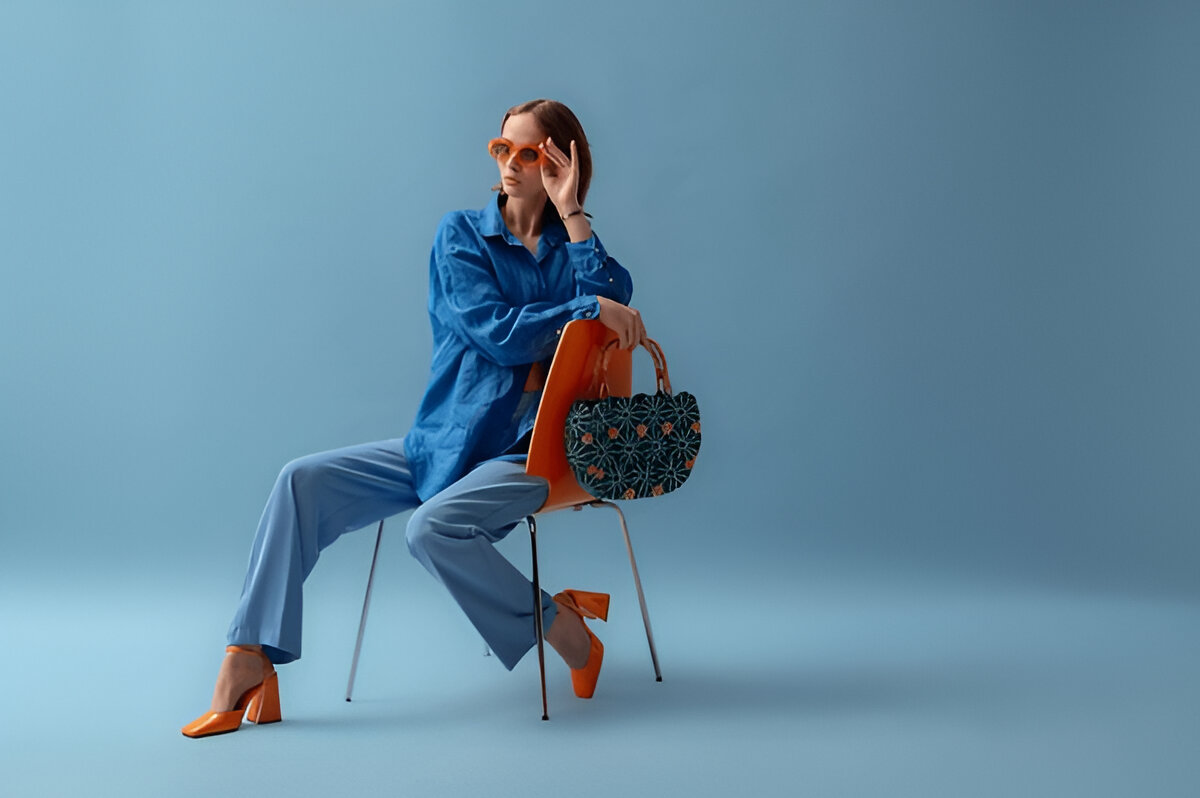
What if your wardrobe could truly reflect who you are? Defining your personal style is more than a fashion exercise — it’s a form of self-expression and confidence-building. In this Practical Style Guide, we’ll walk you through the exact steps to discover, name, and build your own fashion identity, so every outfit feels like you.
Why Personal Style Matters
Style is how you communicate without words. When your outfits feel aligned with who you are, you not only look good — you feel powerful. A defined style saves you time, boosts your confidence, and eliminates impulse shopping.
SEO Keywords: personal style tips, why style matters, confidence and fashion
Step 1: Reflect on Your Lifestyle
Your wardrobe should serve your life. Are you working from home? Attending client meetings? Running after toddlers? A practical wardrobe starts with awareness.
- Track a typical week. Where do you go and what do you wear?
- Divide your wardrobe needs: work, casual, dressy, functional
- Align outfits with lifestyle, not fantasy
Step 2: Style Personality Quiz
Use this quick quiz to pinpoint your core style personality. Choose the letter that best fits you most often:
- A: You love blazers, stripes, and classic loafers → Classic
- B: You prefer comfort, neutral colors, and simple lines → Minimalist
- C: You’re drawn to florals, soft fabrics, and feminine silhouettes → Romantic
- D: You love vintage pieces, bright colors, or unusual textures → Creative
- E: You like relaxed fits, jeans, sneakers, and oversized sweaters → Natural
SEO Keywords: style personality quiz, classic fashion style, minimalist style, romantic fashion
Step 3: Create a Style Moodboard
Go visual. Use Pinterest or a photo app to save images of outfits, color palettes, textures, and fashion icons that inspire you. Look for repetition in items or tones — that’s your subconscious showing you your style leanings.
- Create categories: Tops, Bottoms, Outerwear, Shoes, Accessories
- Note recurring patterns — e.g., always neutral tones, or gold jewelry
- Give your moodboard a name: “Refined Minimalist,” “Modern Parisian,” etc.
SEO Keywords: fashion moodboard ideas, style inspiration board, how to organize outfit ideas
Step 4: Define Your Color Palette
Stick to a cohesive set of 8–10 core colors to make mixing and matching easier. Include:
- 3–4 Neutrals: black, white, beige, grey, navy
- 2–3 Accent Colors: blush, olive, burgundy, etc.
- 1–2 Signature Shades: a color you love and feel amazing in
SEO Keywords: personal color palette, fashion color planning, wardrobe color strategy
Step 5: Identify Signature Pieces
Signature pieces are the building blocks of your style identity — the items you can wear on repeat and always feel like yourself.
- Examples: tailored blazer, ballet flats, chunky boots, high-waisted jeans, silk scarves
- Try to identify 5 “hero pieces” in your current wardrobe
- Use these as the base to build new outfits
SEO Keywords: wardrobe essentials, fashion signature items, timeless fashion pieces
Step 6: Style Icons & References
Study fashion icons who reflect your vibe. Whether it’s Inès de La Fressange for effortless chic or Victoria Beckham for modern polish, use them as visual mentors.
- Look for interviews, books, and social feeds of style muses
- Focus on how they wear pieces, not just what they wear
SEO Keywords: fashion inspiration, style icon tips, how to dress like…
Step 7: Name Your Style
Give your style a name. This helps focus your shopping and editing. Examples:
- Modern Classic
- Relaxed Romantic
- Minimal Urban
- Retro Creative
SEO Keywords: style identity name, naming your fashion style, how to describe personal style
Step 8: Start Curating Intentionally
Now that you’ve defined your style, don’t rush to shop — start with your closet. Keep only what fits your style moodboard, color palette, and lifestyle. Then shop selectively to fill the gaps.
Track what you wear most often and what sits untouched — this gives insight into your real needs.
SEO Keywords: intentional wardrobe building, closet audit tips, minimalist shopping guide
Conclusion: Your Style Is Your Power
Personal style isn’t fixed — it evolves with you. But once you have a foundation, every outfit becomes easier, more joyful, and more powerful. When you define your style, you stop chasing trends and start dressing with purpose.